
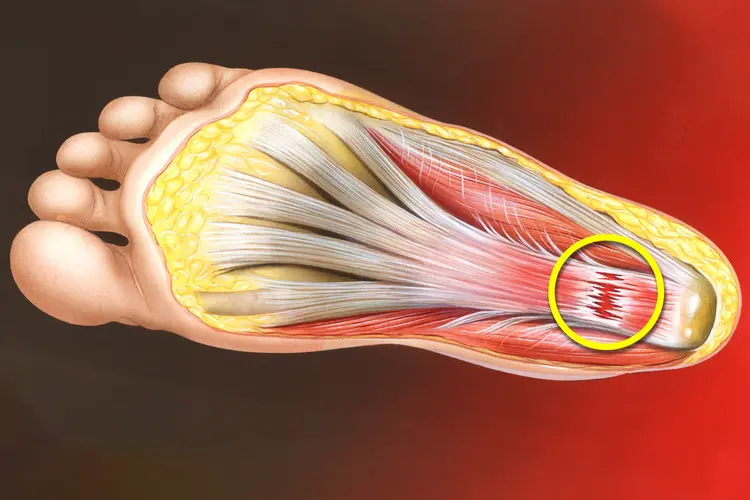

Footwear influences every step a person takes, making it one of the simplest places to begin managing persistent heel pain. Shoes that fit correctly, support natural movement, and reduce strain on the foot can help lessen daily discomfort while allowing people with plantar fasciitis to stay active without placing unnecessary stress on sensitive tissues.
Why Does Arch Support Matter Throughout the Entire Day?
The plantar fascia acts like a strong band supporting the arch of the foot during standing, walking, and running. Shoes with proper arch support help distribute body weight more evenly, reducing repeated stress on this ligament instead of allowing it to overstretch with every step. Better support often means less irritation by the end of the day.
Comfort should remain consistent from morning until bedtime rather than only during short periods of walking. Shoes that lose support after hours of wear may increase fatigue and heel discomfort even if they feel comfortable at first. A plantar fasciitis specialist often evaluates how footwear performs over extended daily use instead of focusing only on appearance.
Cushioning Should Absorb Impact Without Sacrificing Stability
Soft cushioning helps reduce the force transferred into the heel each time the foot strikes the ground. Modern shoe materials absorb impact more effectively than older designs, making everyday walking more comfortable for people dealing with plantar fasciitis. Balanced cushioning protects sensitive tissues while encouraging smoother movement.
Excessively soft shoes, however, may allow the foot to sink too deeply and lose proper alignment. Stable cushioning works best because it combines shock absorption with controlled support. Finding that balance often improves comfort during work, errands, exercise, and other daily activities.
Can Shoe Width Affect Heel Pain More Than Expected?
Proper width plays a larger role in foot health than many people realize. Shoes that squeeze the forefoot change walking mechanics, forcing the foot to compensate in ways that increase strain across the arch and heel. Allowing the toes enough room to spread naturally supports healthier weight distribution.
Adequate space also reduces pressure points that contribute to overall foot fatigue. People often focus only on shoe length while overlooking width, even though both measurements influence comfort. Small fitting adjustments sometimes create noticeable improvements for individuals managing persistent heel pain.
Heel Support Helps Limit Excessive Foot Motion
The heel counter, located around the back of the shoe, stabilizes the rear portion of the foot while walking. Firm heel support helps reduce excessive inward or outward movement that may increase tension on the plantar fascia during repeated steps.
Stable heel construction also promotes smoother transitions from heel strike to toe-off. Better alignment allows muscles and ligaments to work more efficiently throughout the walking cycle. Many supportive everyday shoes include reinforced heel structures specifically designed to improve stability without sacrificing comfort.
Rotating Footwear Can Reduce Repetitive Stress Patterns
Wearing the same pair of shoes every day exposes the feet to identical pressure patterns and allows cushioning materials less time to recover between uses. Alternating between two supportive pairs gives midsoles an opportunity to regain their shape while changing how force spreads across the foot.
Rotation also helps identify which shoes provide the greatest relief. Comparing comfort throughout different daily activities allows individuals to recognize footwear that supports healthier movement. Simple changes in routine sometimes reduce discomfort without requiring major lifestyle adjustments.
Why Should Worn-Out Shoes Be Replaced Promptly?
Supportive shoes gradually lose their protective qualities long before visible damage appears. Compressed midsoles, uneven tread wear, and weakened arch support reduce the shoe’s ability to absorb impact effectively, increasing stress on already sensitive tissues affected by plantar fasciitis.
Replacing footwear at appropriate intervals helps maintain consistent support during everyday activities. Waiting until shoes become obviously worn often means the feet have already spent weeks or months receiving reduced protection. Regular inspection makes replacement decisions easier before discomfort begins increasing again.
Custom Orthotics Complement Supportive Everyday Footwear
Supportive shoes provide an excellent foundation, but some individuals benefit from additional correction inside the shoe itself. Custom orthotics are designed to improve alignment, redistribute pressure, and provide targeted support based on the unique structure of each person’s feet.
Orthotics work best when paired with shoes that already offer adequate stability and depth. Combining both elements creates a more supportive environment than relying on either one alone. A plantar fasciitis doctor may recommend custom devices when standard footwear does not fully address ongoing symptoms.
Consistent Footwear Choices Support Long-Term Heel Comfort
Daily footwear decisions influence foot health far more than occasional exercise or weekend activities. Wearing supportive shoes at home, at work, while shopping, and during recreation helps reduce repeated stress on the plantar fascia throughout the day.
Consistency often produces better results than switching between supportive and unsupportive footwear. Individuals experiencing persistent plantar fasciitis can benefit from professional evaluation when changing shoes alone does not provide lasting relief. A podiatrist in Decatur AL can identify underlying biomechanical factors contributing to discomfort and recommend personalized treatment options.
The Foot Clinic helps patients manage plantar fasciitis through comprehensive evaluations, footwear guidance, and treatment plans designed to improve comfort, mobility, and long-term foot health.