
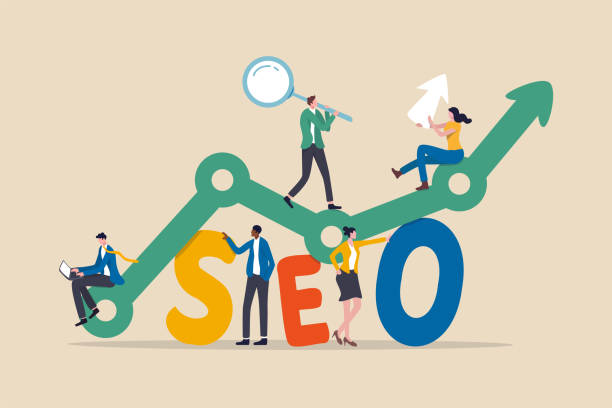

I remember the first time I heard someone mention a seo company chelsea in a small digital marketing forum. Honestly I didn’t think much of it at that time. I was just scrolling through comments, half paying attention, half drinking cold coffee that I forgot on my desk. But the conversation kept popping up again and again. People were saying things like “Chelsea businesses are super competitive online” and “ranking there is not as easy as people think.”
And yeah… after working in content and SEO for around two years now, I kinda get why they were saying that.
Search engine competition in places like Chelsea is a bit like trying to open a small coffee shop right next to five famous cafes. You can have great coffee, but if nobody sees your shop sign, well… good luck selling anything.
Why visibility online feels like a survival thing now
I sometimes explain SEO to clients in a really simple way. Imagine you opened a shop on a street but Google decides which street people actually walk on. If Google puts you on the quiet street… you’re basically invisible.
That’s where SEO companies come into play.
From what I’ve seen, businesses in busy areas like Chelsea usually realise this pretty fast. Restaurants, fashion boutiques, small law firms, even fitness studios — they all want their website to pop up when someone searches something related.
The weird thing is, many of them already have decent websites. Good design, nice photos, maybe even blog posts. But traffic? Almost nothing. It’s a bit like owning a beautiful car but never putting fuel in it.
And SEO is that fuel.
Search engines are way pickier than people think
Something a lot of beginners don’t know is that Google tracks hundreds of ranking signals. Some reports say more than 200 factors. Now I’m not sure if it’s exactly 200 or 150 or whatever… Google never confirms fully. But the point is — it’s complicated.
Backlinks, site speed, keyword relevance, internal linking, user engagement, mobile optimization… the list keeps going.
I once worked with a small ecommerce brand and their page load speed was around 7 seconds. Seven seconds! On the internet that feels like waiting for a microwave for eternity. After fixing that and improving technical SEO, traffic literally doubled in a few months. I was honestly surprised myself.
So yeah, technical stuff matters more than people realise.
What businesses usually expect vs what actually happens
There’s a funny gap between expectation and reality in SEO. Many business owners think rankings happen in like two weeks.
I wish that was true. My life would be much easier.
But SEO is more like going to the gym. You don’t lift weights twice and suddenly have six-pack abs. It’s consistency. Content updates, link building, fixing site issues, tracking analytics… slowly things start improving.
Some industries take three months. Some take six. Competitive areas like Chelsea sometimes even longer.
And this is something I see people discussing a lot on LinkedIn and marketing Twitter (well… X now I guess). Many marketers complain that clients expect “instant Google ranking.” If only Google worked like ordering food delivery.
A strange thing about local SEO most people ignore
Here’s a lesser known thing that surprised me early in my career.
Google Business Profile signals can heavily influence local rankings. Not just reviews… but review responses, posting updates, adding photos, even how often customers interact with your listing.
There was a stat floating around in an SEO Slack group I joined once. It said businesses with active Google listings can get up to 70% more location searches compared to inactive ones. I didn’t verify the exact number, but honestly it sounds believable.
Because when I search for restaurants, I always click the ones with photos and recent reviews.
Everyone does that.
Online reputation quietly affects rankings
Another thing people talk about a lot recently is “brand signals.” It’s not officially confirmed by Google, but many SEO folks believe brand mentions across the internet help authority.
Basically if people talk about your business on blogs, forums, news sites, social media — search engines start trusting you more.
It’s like reputation in real life. If ten people recommend a restaurant, you assume the food is good even before tasting it.
Same logic works online.
That’s why good SEO campaigns often mix content marketing, PR outreach, and technical optimization together. Just tweaking keywords isn’t enough anymore.
Social media chatter also plays a weird role
Okay this one is interesting.
Officially, social media likes or shares are not direct ranking factors. Google has said that multiple times. But still… when a post goes viral, it attracts backlinks, traffic, mentions.
And those things absolutely help rankings.
I saw this happen with a travel blog last year. One Instagram reel about hidden cafes in London blew up. Within weeks the blog article got backlinks from lifestyle sites and local bloggers.
Result?
The page jumped from page 4 to page 1 on Google. Not instantly, but surprisingly fast.
So yeah… social buzz can indirectly boost SEO more than people think.
Some businesses wait too long before fixing SEO
I’ve noticed something kinda funny (and a bit sad too).
Many businesses only start caring about SEO when their traffic drops badly. By that time competitors already built strong authority.
It reminds me of ignoring a leaking roof until the whole ceiling collapses.
If companies invested earlier in proper SEO strategy, they could avoid that panic stage.
But I guess humans are like that in general. We react when problems become obvious.
A small thought from someone still learning this field
Even after two years working with SEO content, I still feel like I’m learning new stuff every week. Google updates algorithms, ranking factors change, user behaviour shifts.
It’s not a “set and forget” system.
Sometimes a page ranks unexpectedly. Sometimes perfectly optimized content sits on page three forever. SEO has a bit of mystery to it honestly.
But one thing is pretty consistent — businesses that invest in long-term optimization usually win eventually.
Maybe not instantly, maybe not dramatically… but steadily.
And in competitive markets like Chelsea, steady growth online can be the difference between getting found by customers or just being another invisible website floating somewhere in the deep corners of the internet.